guides
What to Plant in September: The Last Calls and the Head Starts
September runs on two clocks — last-call sowings that still finish (spinach, radishes, greens) and head starts that pay next year (garlic, cover crops). The honest month plan.
Honest disclosure: Some links below are affiliate links — Glivox earns a commission if you purchase, at no extra cost to you. We pay full price for products we review and rankings are never paid. Read the full policy.
September gardening runs on two clocks at once. Clock one counts down — the days left before frost, deciding which quick crops can still finish. Clock two counts up — toward next year, because several of the garden’s best moves (garlic, cover crops, overwintering greens) can only be made now.
Most planting guides only read the first clock and tell you September is “too late” for everything interesting. Wrong clock. Here’s the month sorted honestly into last calls (sow this week or not at all), safe bets (fine all month), and head starts (this fall’s work, next summer’s harvest) — with the frost math to place your garden on the map.
The 30-second frost math
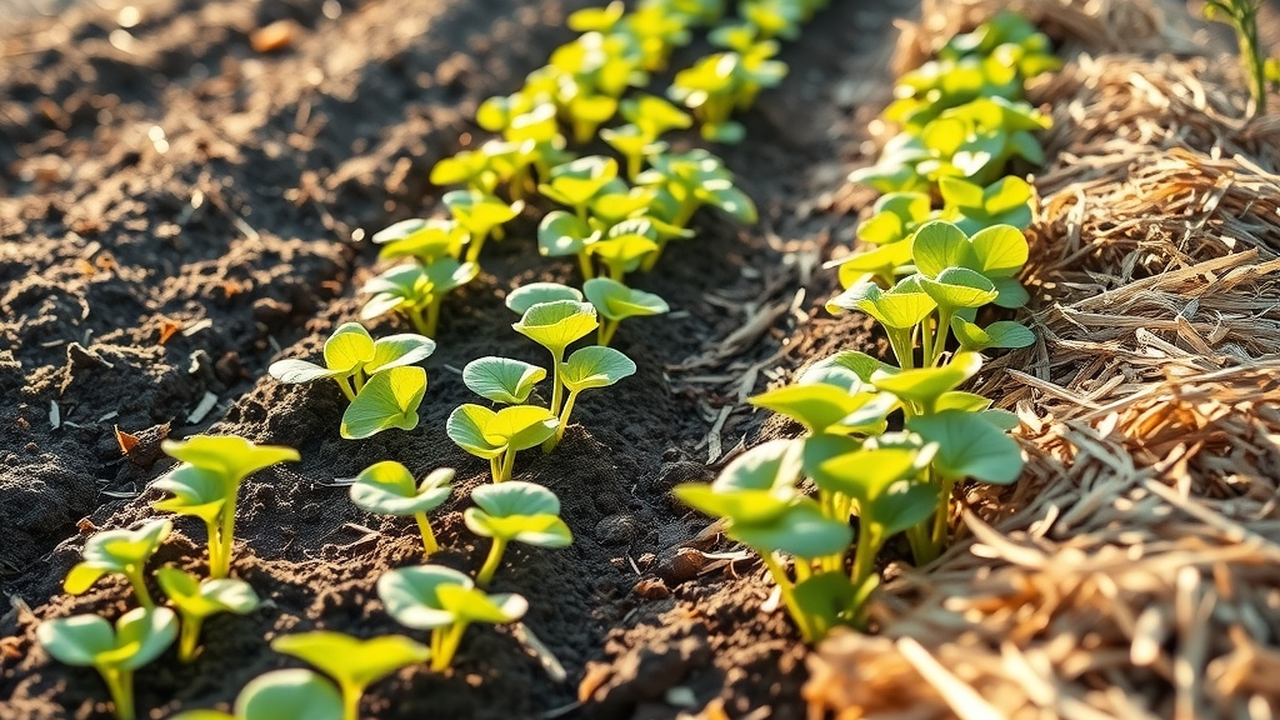
Look up your average first frost date (one search). Count the days between now and then. Every “days to maturity” number on a seed packet gets +14 days added in fall — growth slows as days shorten. That’s the whole system: a 30-day radish needs ~44 days of runway; a 45-day spinach sowing needs ~59. (The July guide walks this same math with the longer-season crops that needed an earlier start.)
Mild-winter regions (zones 8+): most of this article’s “last calls” stay open into October — your September is everyone else’s August.
+14 days
The fall factor - add two weeks to every seed packet's days-to-maturity when sowing in September; shortening days slow everything
Last calls — sow in the first week or skip
- Spinach (40–50 days): the September flagship. Cool soil ends its bolting problem; frost sweetens it; and see the overwintering trick below.
- Radishes (25–30): the most forgiving sowing of the month — most regions can sow into late September.
- Arugula, mizuna, baby Asian greens (30–40): sprint crops that prefer fall; flea beetles fade as nights cool.
- Leaf lettuce (30–45 for baby): sow weekly small batches; shade cloth no longer needed.
- Turnips (40–55, cold regions borderline): the dual crop — thin for greens, leave the rest to bulb.
- Bok choy (35–45): transplant-speed growth in warm September soil, harvest in cool October.
Colder regions (frost by early October): stick to the 25–35 day crowd and lean on the head-start list instead. Everyone else: sow the whole list in week one and thank September later.
Safe bets — fine all month, almost anywhere
- Garlic-bed prep — clear and compost the bed now for October cloves; the full garlic guide covers seed stock worth ordering this month before suppliers sell through (they genuinely do).
- Green onion sets and multiplier onions — tuck in anywhere; nearly indestructible.
- Cover crops — September is peak sowing for the beginner mixes: oats-and-peas early month for a winter-killed mulch, winter rye holding the door open latest. Every bed that finishes gets seeded the same day it’s cleared.
- Transplanted brassicas (where nurseries stock fall starts): kale and collard transplants buy back the weeks seed can’t.
Head starts — the moves that only exist in fall
Overwintering spinach — the best-kept September secret. Sow spinach in mid/late September on purpose too late to harvest big. It reaches thumb size, stops, survives winter under snow or a row cover, then erupts in March into the year’s first harvest — weeks before any spring sowing germinates. Cost: one packet and a square meter of faith.
Garlic (October planting, September ordering and bed prep) — the whole one-afternoon ritual.
The infrastructure season begins. September’s emptying beds are why fall is build season: cold frames over September sowings extend them to Thanksgiving; no-dig and hugelkultur beds built now settle into spring-ready soil; and the leaves about to fall are next year’s mulch and leaf mold. None of this is “planting,” and all of it out-earns one more row of radishes.
The week-by-week version
- Week 1: sow every last-call crop; order garlic seed stock; oats-and-peas on the first cleared beds.
- Week 2: second lettuce/radish batch; transplant any nursery brassicas; keep clearing-and-cover-cropping as summer crops finish.
- Week 3: overwintering spinach sowing; garlic bed prepped and composted; rye on later-cleared beds.
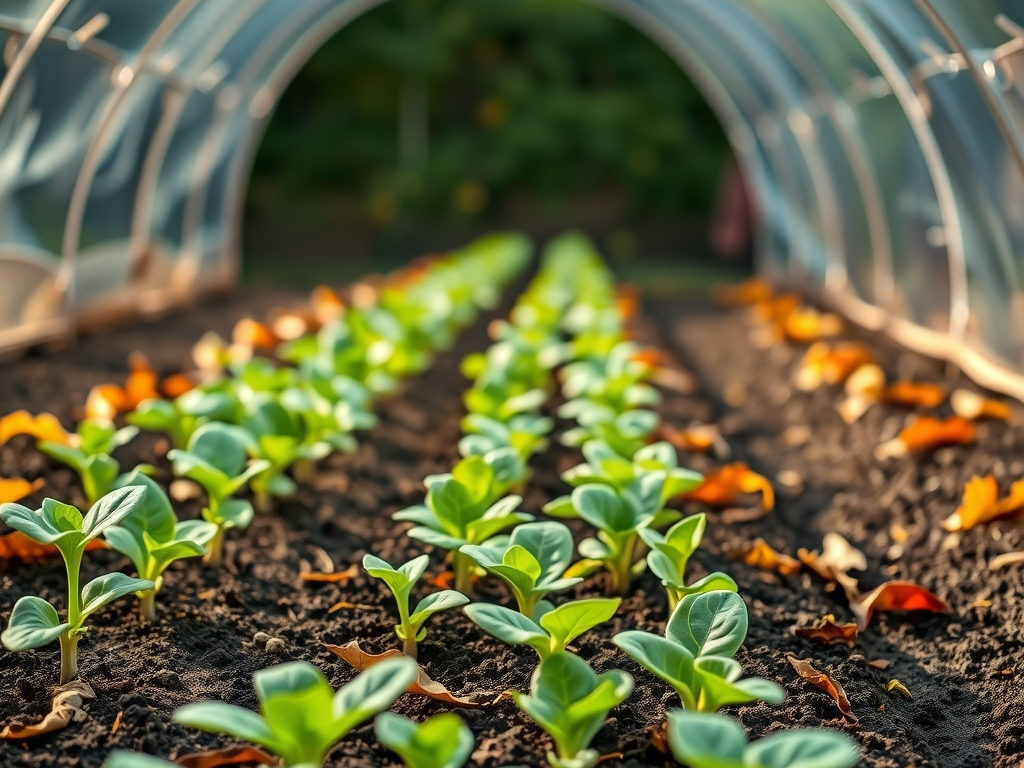
- Week 4: last radish call in mild regions; set hoops/covers over the month’s sowings before the first frost warning, not after; stack the cleanup rhythm alongside.
One honest warning for the whole month: September sowings germinate in still-warm soil and grow into cooling air — the opposite of spring — so the failure mode flips. Spring’s enemy was seedlings bolting in heat; September’s is sowing a week late and watching crops stall at half-size when the light drops. When in doubt, sow the earlier week.
FAQ
What vegetables can I still plant in September?
The quick finishers: spinach, radishes, arugula, mizuna and Asian greens, baby leaf lettuce, turnips and bok choy — all comfortable finishing in fall’s cooling weather, most within 25–50 days. Add the fall-only moves: cover crops on every emptying bed, garlic bed prep for October planting, and deliberately-late overwintering spinach for a March harvest. Run each choice through the frost math — days to maturity plus a 14-day fall factor, counted back from your first frost date — and mild-winter regions can stretch the whole list a month longer.
Is September too late to start a fall garden?
For long-season crops, yes — broccoli and carrots needed July or August. For the fast tier, no: a September-started bed of spinach, radishes and salad greens produces real harvests by October, and it’s arguably the easiest possible entry into gardening — fewer pests, no heat stress, no bolting. September is also exactly on time for the plantings that only exist in fall: garlic, cover crops, and overwintering greens. Late for summer’s garden; right on time for next year’s.
What is overwintering spinach and how does it work?
It’s spinach sown deliberately late — mid-to-late September in cold regions — so it only reaches thumb size before winter. That small plant is extraordinarily cold-hardy: it sits alive under snow (or a simple row cover for insurance), then resumes growth with the first warming days and delivers a full harvest in early spring, weeks before any spring-sown crop even germinates. It’s the highest-return trick in fall gardening: one seed packet, zero maintenance, and the year’s first fresh harvest moved up a month.
Should I plant a cover crop or vegetables in my empty September beds?
Both, by timeline: beds that can still fit a 25–50 day crop (check the frost math) earn one more food sowing first; everything else gets a cover crop the same day it’s cleared — oats and field peas early in the month for a winter-killed mulch, winter rye for late-cleared beds into October. What no bed should get is nothing: bare soil through winter erodes, compacts and leaches the season’s fertility. If cover crop seed isn’t on hand, a deep leaf or compost blanket does the protective half of the job.
September’s real crop is options: a salad in October, spinach in March, garlic in July — all planted in the same four weeks.
Keep reading
guides
What to Plant in July for a Fall Harvest (2026 Guide)
It's not too late — July is prime time for a second planting. What to sow now for a fall harvest, the frost-date math, and how to get seeds up in hot soil.
guides
Cover Crops for Beginners: Feed Your Soil While You Take the Winter Off
What cover crops actually do, the 5 easiest for a home garden, when to sow them after harvest, and the spring question everyone worries about — killing them off.
guides
Season Extension for Beginners: Row Covers, Cold Frames, and 8 More Weeks of Harvest
Frost doesn't have to end the garden. How row covers, low tunnels and cold frames add weeks or months of harvest — what each really does, and what to build in August.