guides
How to Plant Garlic in Fall: The 20-Minute Job That Feeds You Next July
Plant cloves in October, ignore them all winter, harvest heads in summer — the honest garlic guide: hardneck vs softneck, seed garlic vs grocery bulbs, spacing, and the one mistake that ruins it.
Honest disclosure: Some links below are affiliate links — Glivox earns a commission if you purchase, at no extra cost to you. We pay full price for products we review and rankings are never paid. Read the full policy.
No crop in the vegetable garden has a better effort-to-reward ratio than garlic, and it isn’t close. The entire job: push cloves into the ground one October afternoon, mulch, walk away. Nine months later — having survived winter with zero care, shrugged off nearly every pest, and asked for almost nothing in spring — each clove hands you back a whole head.
The catch is the calendar: garlic is a fall-planted crop, and the window is specific. (It shares that fall-only window with one other big move — planting fruit trees.) Miss it and you wait a year. So here’s the complete honest guide, published early on purpose: choosing types and seed stock (and the truth about grocery-store bulbs), the planting itself, the almost-nothing that happens until summer, and the harvest-and-cure that decides whether your garlic lasts until the next planting.
TL;DR — garlic in one paragraph
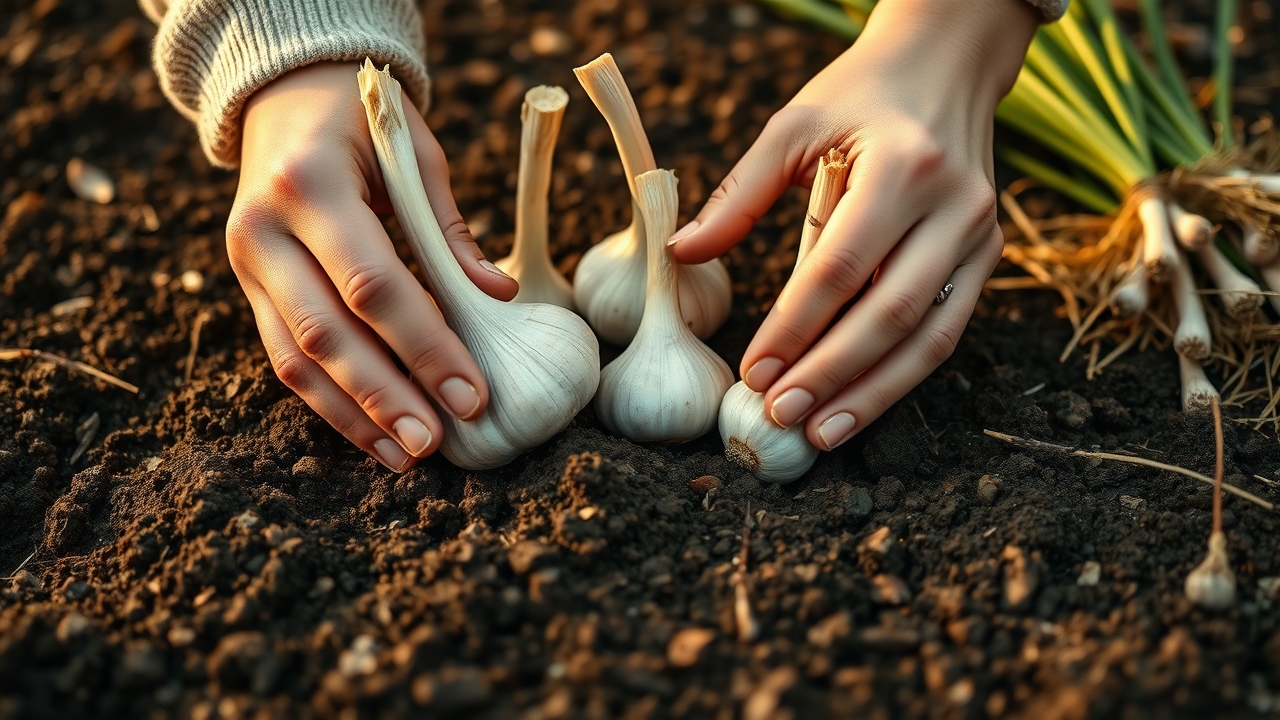
When: 2–6 weeks before the ground freezes — October-ish for most cold climates, November into December for mild ones. The goal: roots establish, but no big green top before winter. What: buy seed garlic once (certified disease-free, $15–25 for a bed’s worth); after that, replant your own biggest cloves forever. Hardneck for cold climates (plus June scapes — a bonus crop), softneck for mild ones (longer storage, braidable). How: break heads into cloves (papers on), plant pointy end up, 5–8 cm deep, 15 cm apart in your sunniest well-drained bed, then mulch 10 cm with straw or shredded leaves. Then: nothing until spring (snap hardneck scapes in June), stop watering when leaves yellow, harvest when ~half the leaves have browned, and cure 3–4 weeks in airy shade — curing is where storage is won.
Buy it if
one $20 bag of seed garlic this fall — it becomes a permanent, self-renewing crop line you replant from your own harvest every year after
Skip it if
planting grocery-store softneck in a cold climate and expecting hardneck results — wrong type for the region and possibly sprout-inhibited or virus-carrying
Try instead
No bed space? Garlic thrives in a deep container (30 cm+) on the same fall schedule — a balcony can grow a year of garlic
Hardneck or softneck (the only real decision)
Hardneck (the cold-climate garlic): needs winter chill to form proper heads, so it’s the right choice anywhere with real frost. Fewer, larger cloves; complex flavor prized by cooks; stores 4–6 months. And it pays a bonus crop: scapes — curly flower stalks in early summer that you snap off (so energy goes to the bulb) and eat like garlicky asparagus; a real harvest eight months before the heads.
Softneck (the mild-climate garlic, the braidable one, the supermarket one): no chill requirement, more smaller cloves, and the storage champion — 6–9+ months, which is why commerce chose it. If your winters are mild, this is your garlic.
On grocery-store garlic, honestly: it can grow, and plenty of gardeners started that way. The real risks: it’s almost always softneck (wrong for cold climates), sometimes treated with sprout inhibitor (nothing happens), and uncertified for the soil-borne diseases (white rot especially) that can haunt a bed for years. For the $15–25 difference, certified seed garlic once is the honest recommendation — every year after, your own best heads are the seed stock, free forever.
1 clove = 1 head
The garlic exchange rate - a $20 bag of seed garlic plants 40-60 cloves and returns 40-60 heads, plus next year's seed, every year, forever
Planting day (the whole 20 minutes)
- Timing: the sweet spot is soil cooled to ~10–15°C with 2–6 weeks before hard freeze — roots grow, shoots wait. Too early = lush tops that winter burns; too late = weak roots. (Mild climates: plant November–December; garlic still wants your coolest months.)
- The bed: full sun, and drainage above all — winter-soggy soil rots cloves faster than any pest. A raised or no-dig bed topped with compost is ideal; skip fresh manure and heavy nitrogen now (feeding comes in spring).
- Crack the heads into individual cloves a day or less before planting, papers intact. Plant the big outer cloves; cook the small inner ones tonight — big cloves grow big heads.
- Plant: pointy end UP, flat root-plate down, 5–8 cm deep (deeper end in colder climates), 15 cm apart in a grid. A bed of 1×2 m holds ~50 — a year of garlic for most kitchens.
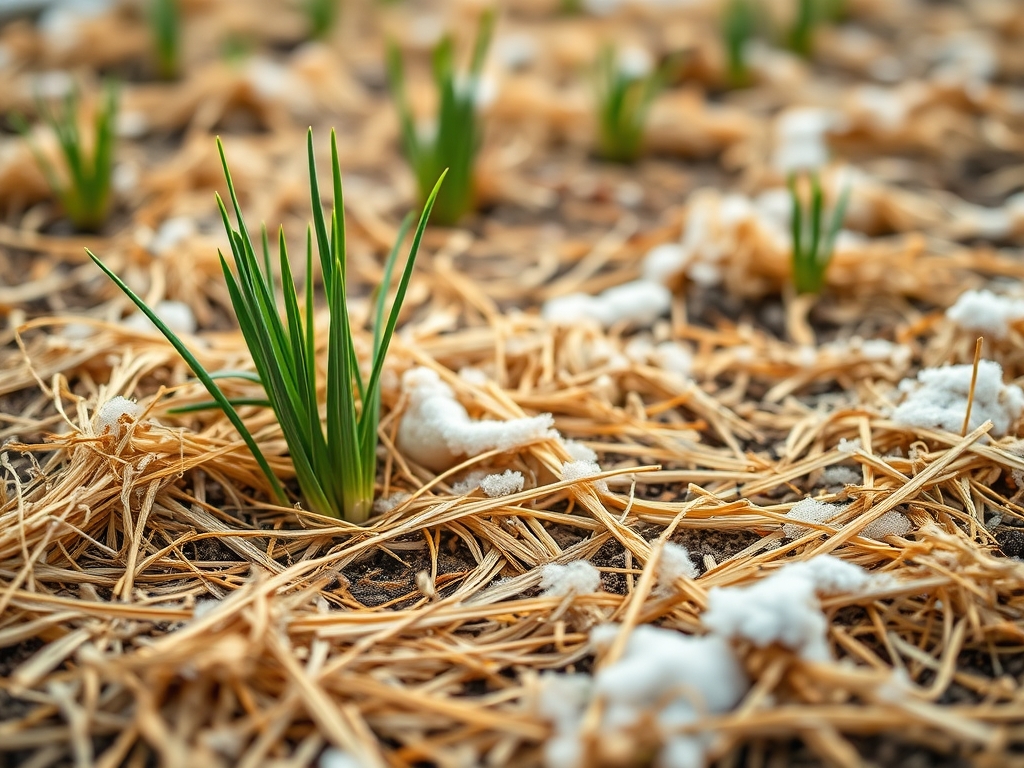
- Mulch 10 cm — straw or shredded leaves (your fall cleanup supplies them). The mulch is winter insulation, frost-heave protection, and next spring’s weed control in one move. Water once, and you’re done until spring.
The long quiet (and the three spring minutes)
Winter: nothing. Shoots may poke through the mulch and get snowed on — normal; garlic is armored for this. Spring: pull the mulch back a little as growth resumes, keep the bed weeded (garlic hates competition — the one chore that matters), water in dry spells, and give one nitrogen feed in early spring if leaves look pale.
June (hardneck only): snap the scapes when they make one full curl — bend till they pop. This redirects energy to the bulb (up to ~20% bigger heads) and hands you the year’s first garlic harvest for pesto and stir-fry. Then stop watering entirely once lower leaves start yellowing — dry soil in the last weeks is what makes heads that store.
Harvest and cure (where storage is won or lost)
Harvest when roughly half the leaves have browned (bottom-up) — usually late June to late July. Too early = small heads with thin papers; too late = heads splitting open, which ends their storage life. Loosen with a fork and lift — never yank the stalks (snapped necks don’t cure). Brush off soil, don’t wash.
Cure 3–4 weeks hanging or racked in a shaded, airy, dry place — whole plants, leaves on (onions, garlic’s cousin, cure by the same logic). Curing dries the wrapper papers and neck into the seal that keeps garlic good for months; skipping or rushing it is the #1 reason homegrown garlic “doesn’t keep.” Then trim stalks and roots, and store heads in mesh or baskets somewhere cool-ish, dry, dark and ventilated — never the fridge (fridge temperatures signal “spring” and trigger sprouting; the cool-and-dry storage crew rules apply). Set aside your biggest, best heads first — that’s next October’s seed, and the loop is closed.
Quick wins vs. clove-killers
What works
- Certified seed garlic once, then your own best heads forever
- Pointy end up, 15 cm grid, 10 cm mulch - the whole technique
- Snap hardneck scapes in June (bigger bulbs + a bonus harvest)
- Cure 3-4 weeks whole and unwashed - storage is made here
What doesn't
- Winter-soggy ground (drainage failure rots more garlic than any pest)
- Planting too early (big green tops for winter to burn)
- Harvest-by-yanking (snapped necks = heads that will not cure)
- Storing in the fridge (cold = sprout signal; cool-dry-dark instead)
FAQ
When should I plant garlic in the fall?
Two to six weeks before your ground freezes hard — soil around 10–15°C — which lands in October for most cold-winter regions and November–December in mild ones. The target state entering winter: well-rooted cloves with little or no green top showing. Planted too early, lush shoots get winter-burned; too late, cloves sit rootless in frozen ground. If you miss the window entirely, very-early-spring planting produces smaller heads — workable, but fall is the real season.
Can I plant garlic from the grocery store?
It can work, but three honest risks make seed garlic the better first buy: store garlic is nearly always softneck (which underperforms in cold climates that want hardneck), it may be treated with sprout inhibitors (nothing grows at all), and it isn’t certified free of soil-borne diseases like white rot — which, once introduced, persists in a bed for many years. Certified seed garlic costs $15–25 for a full bed, and it’s a one-time purchase: from year two onward you replant your own biggest heads.
Do you really get a whole head from one clove?
Yes — that’s the entire garlic proposition. Each planted clove grows into a complete multi-clove head over roughly nine months. Plant 50 cloves in a 1×2 m bed, harvest ~50 heads; set aside the best 8–10 heads as next year’s seed and you’ll never buy garlic — seed or kitchen — again. Bigger cloves reliably grow bigger heads, which is why you plant the large outer cloves and cook the small inner ones.
Why is my homegrown garlic sprouting or going soft quickly?
Almost always a curing or storage error rather than a growing one. Storage garlic needs a full 3–4 week cure (whole plants, shaded, dry, moving air) to seal its wrappers and neck; rushed curing leaves moisture that turns heads soft or moldy. After curing, the enemies are cold and light: refrigerator temperatures mimic spring and trigger sprouting, and bright storage does the same — keep heads in mesh at cool-room temperature, dry and dark. Also check harvest timing: over-mature split heads and early thin-papered heads both store poorly.
Glivox publishes practical, honest guides for homesteaders and backyard growers — twenty minutes in October, garlic in perpetuity.
Keep reading
guides
What to Plant in July for a Fall Harvest (2026 Guide)
It's not too late — July is prime time for a second planting. What to sow now for a fall harvest, the frost-date math, and how to get seeds up in hot soil.
guides
How to Fertilize a Vegetable Garden: Organic Basics Without the Product Hype
N-P-K in plain words, when each crop actually wants feeding, and why the #1 beginner mistake is too much — an honest organic fertilizing guide with compost at the center.
guides
Fall Garden Cleanup: What to Remove, What to Leave (Most People Clean Too Much)
The honest fall checklist: pull the diseased and the pest hotels, leave the roots and the leaves — why a too-tidy garden costs you soil, pollinators, and next spring's head start.